 EN
EN

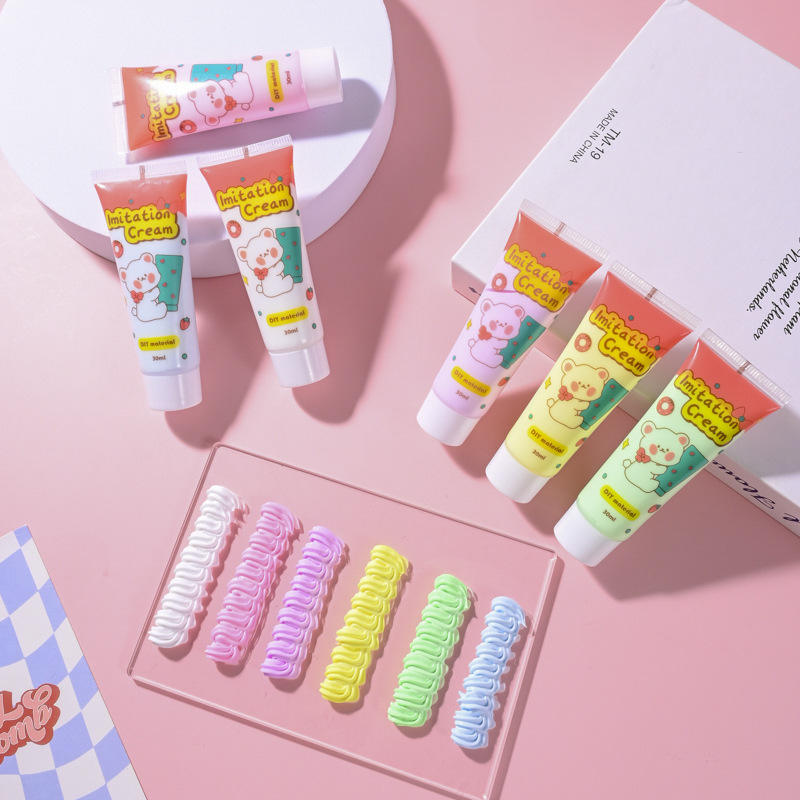
왜 폴리머 플레이도우의 품질을 테스트해야 할까요? 완벽한 제품을 원하는 모든 사람에게 이는 매우 중요합니다. Hello Good에서는 우리의 플레이도우가 어떻게 작용하는지 진심으로 신경 씁니다. 우리는 아이들이 안전하게 즐거운 시간을 보내기를 바랍니다. 주목해야 할 몇 가지 핵심 요소: 내구성; 색상 지속성 및 무독성. 이러한 특성을 어떻게 테스트하고 귀하의 요구에 가장 적합한 플레이도우를 선택할 수 있는지 알아보겠습니다.
대량 주문 시 폴리머 플레이도우의 품질을 보장하는 방법
대량으로 플레이도우를 구매할 때는 특히 주의해야 합니다. 먼저, 내구성을 확인하세요. 플레이도우가 쉽게 잘리지 않는지 확인해야 합니다. 손으로 주물러 보면 알 수 있습니다. 반죽이 뭉쳐지고 매끄러운 느낌이 든다면 좋은 플레이도우입니다! "이 플레이도우는 공 모양으로 뭉쳤을 때 모양이 잘 유지되는 게 좋아요!" 너무 쉽게 납작해진다면 아이들이 격렬하게 놀기에 내구성이 부족할 수 있습니다. 다음으로, 색깔을 확인하세요. 플레이도우처럼 반복해서 가지고 노는 장난감은 색이 변하지 않는 것이 중요합니다. 색이 빠지면 아이들의 손이나 다른 표면에 얼룩이 생길 수 있고, 아이들이 사용하거나 민감한 어른의 피부에 묻어나지 않도록 해야 합니다. 젖은 천으로 문지르거나 종이에 눌러보면 색이 묻어나는 것을 확인할 수 있습니다. 색이 묻어나면 색이 변색된 것입니다. 또한, 플레이도우가 무독성인지 확인해야 합니다. 포장에 있는 안전 라벨을 확인하면 됩니다. 좋은 플레이도우라면 당연히 아이들에게 안전하고 유해 화학물질이 없어야 합니다. 헬로굿은 플레이도우 제품에 이러한 기준을 철저히 준수합니다. 저희 제품은 안전할 뿐만 아니라 아이들에게 즐거움을 선사할 것이기에 안심하고 사용하실 수 있습니다.
플레이도우 내구성 폴리머 제품을 도매 구매할 때 고려할 사항
장기적으로 사용 가능한 제품을 시장에서 찾고 있다면 폴리머 점토 도매를 위해 고려해야 할 몇 가지 사항이 있습니다. 첫째, 질감이 매우 중요합니다. 촉감이 좋고 신축성이 있어야 하며, 동시에 형태를 잘 유지해야 합니다. 플레이도우를 집었다가 떼었을 때 다시 원래 모양으로 돌아온다면 이는 좋은 탄성의 징후이며, 장난감을 거칠게 다루는 어린이들에게 더 적합합니다. 포장 또한 고려해야 할 요소입니다. 플레이도우가 밀폐된 용기에 담겨 있다면 더 오래 사용할 수 있습니다. 신중한 포장은 플레이도우가 마르거나 사용 불가능해지는 것을 방지하는 데 도움이 됩니다. 또한 향기를 고려해야 합니다. 향기 있는 플레이도우는 아이들에게 더욱 재미있는 경험을 제공할 수 있지만, 유독한 냄새는 저품질의 성분을 나타낼 수 있으므로 주의 깊게 살펴야 합니다. 마지막으로, 다른 구매자들의 리뷰를 확인하세요. 다른 사람들이 겪은 경험을 들어보면 해당 플레이도우가 실제로 얼마나 내구성이 있는지 파악하는 데 도움이 됩니다. Hello Good에서는 고객의 목소리에 귀 기울이며, 아이들이 갖고 놀고 싶어 하는 그런 플레이도우를 만들기 위해 최선을 다하고 있습니다. 제품이 오랫동안 지속되고, 색상이 오래 유지되며, 모두에게 안전하도록 만드는 데 중점을 두고 있습니다.
폴리머 플레이도우를 테스트할 때, 색상이 얼마나 오래 지속되는지, 점토가 얼마나 튼튼한지, 그리고 안전한지 등을 확인해 보았습니다. 여기서는 색상 견뢰도 테스트 방법, 구매자가 주문 전에 알아야 할 사항, 그리고 판매업체들이 폴리머 플레이도우의 품질을 테스트하는 데 사용하는 방법들을 살펴보겠습니다. 헬로굿에서는 이러한 정보들을 아는 것이 우리 모두가 플레이도우를 선택하고 즐겁고 안전한 놀이를 하는 데 도움이 될 것이라고 생각합니다!
폴리머 플레이도우의 색상 견뢰도 테스트 방법 -색상을 밝고 즐겁게 유지하기
대량 생산된 폴리머 플레이도 제품 ,색상이 얼마나 선명하게 유지되는지, 그리고 퇴색하지 않는지를 평가하고자 합니다. 먼저 플레이도우를 작게 뭉쳐 공 모양으로 만들고, 부드럽게 늘려보세요. 이 과정은 매우 중요합니다. 왜냐하면 도우를 늘릴 때 색상이 변할 수 있기 때문입니다. 다음으로, 도우를 직사광선 아래에 두거나 램프를 이용해 색상 변화가 있는지 관찰할 수 있습니다. 몇 시간 동안 그대로 놔둔 후, 원래 색상과 나란히 놓고 비교해 보세요. 색상이 동일하다면, 해당 도우는 색상 고정성이 뛰어난 것으로 간주할 수 있습니다. 또 다른 색상 고정성 테스트 방법으로는 소량의 물을 약간 묻힌 후 색상이 번지는지 또는 물들어가는지 확인하는 것입니다. 젖은 도우를 종이타월로 가볍게 닦아 보고, 타월에 색상이 묻어 나오는지 확인하세요. 만약 색상이 묻어 난다면, 해당 플레이도우는 색상 고정성이 낮을 수 있습니다. 색상 고정성 테스트는 아이들이 놀이 시간 동안 색상이 얼마나 잘 유지될지를 평가하는 재미있는 방법입니다. 헬로굿(Hello Good)에서는 오랫동안 선명함을 유지하는 플레이도우 색상을 개발했습니다.
완벽한 폴리머 플레이도우 고르기 - 안전성, 질감 및 색상
폴리머 플레이도우를 구매할 때 알아야 할 세 가지 핵심 사항이 있습니다. 첫 번째로, 플레이도우에 무독성(non-toxic)이라고 표시되어 있는지 확인하는 것입니다. 이는 어린이가 사용하기 안전하며, 실수로 섭취하더라도 문제가 되지 않는다는 뜻입니다. 항상 Hello Good과 같이 포장재에 안전 정보를 명시한 브랜드 제품을 선택하는 것이 좋습니다. 또한, 아이에게 알레르기가 있는 경우 특히 글루텐 프리이고 무독성인 제품인지 확인하는 것이 중요합니다. 다음으로, 플레이도우의 질감을 고려해야 합니다. 부드럽고 잘 성형되면서도 지나치게 끈적이지 않아야 적합합니다. 다른 구매자들의 리뷰를 참고하여 제품에 대한 평가를 파악하는 것도 좋은 방법입니다. 많은 사람들이 해당 플레이도우가 내구성이 뛰어나고 사용하기 재미있다고 리뷰한다면, 그 제품은 신뢰할 수 있는 후보가 됩니다! 마지막으로 색상을 고려하세요. 화사하고 즐거운 색상들은 놀이 시간에 흥미를 더해줄 수 있습니다. 이러한 사항들을 염두에 두면, 소비자들은 아이들이 즐길 수 있는 고품질 제품을 구매하는 데 더 나은 결정을 내릴 수 있습니다.
안전하고 강력하며 다채로운: 폴리머 플레이도우 테스트
폴리머 플레이도우의 내구성, 색상 지속성 및 무독성에 관한 테스트는 거의 드물다. 내구성을 위해 반죽을 굴리거나 눌러보고 늘려볼 수 있다. 좋은 플레이도우는 형태를 잘 유지해야 하며 쉽게 부러지면 안 된다. 반죽이 분해되거나 찢어진다면 내구성이 낮을 가능성이 높다. 위에서 언급한 것처럼 물기에 젖었을 때 또는 빛에 노출되었을 때 색이 바래거나 번지는지 확인함으로써 색상 지속성도 테스트할 수 있다. 무독성은 실험실에서 플레이도우에 유해 화학물질이 포함되어 있는지 여부를 검사하여 부여하는 등급이다. 제품이 안전성 테스트를 통과했음을 나타내는 라벨이나 인증 마크를 확인하는 것이 중요하다. Hello Good에서는 이러한 테스트를 매우 중요하게 생각하며, 당사의 플레이도우는 모든 안전성 테스트를 통과한다. 이러한 표준 테스트 절차를 숙지하면 부모와 아이들이 고품질의 반죽 제품을 선택하는 데 도움이 된다. d ultralight polymer clay 이렇게 하면 모두가 안전하고 재미있으며 오랫동안 사용 가능한 반죽으로 창의적인 놀이 시간을 즐길 수 있다!